Little Heads, Lasting
Impact
Head shape can be influenced by a variety of factors early in a baby’s development. Positioning in the womb may place gentle pressure on certain areas of the head, while after birth, a preference for turning the head to one side or neck tightness (such as torticollis) can lead to uneven shaping. Babies who spend extended time in the NICU may also experience prolonged positioning that contributes to changes in head shape.
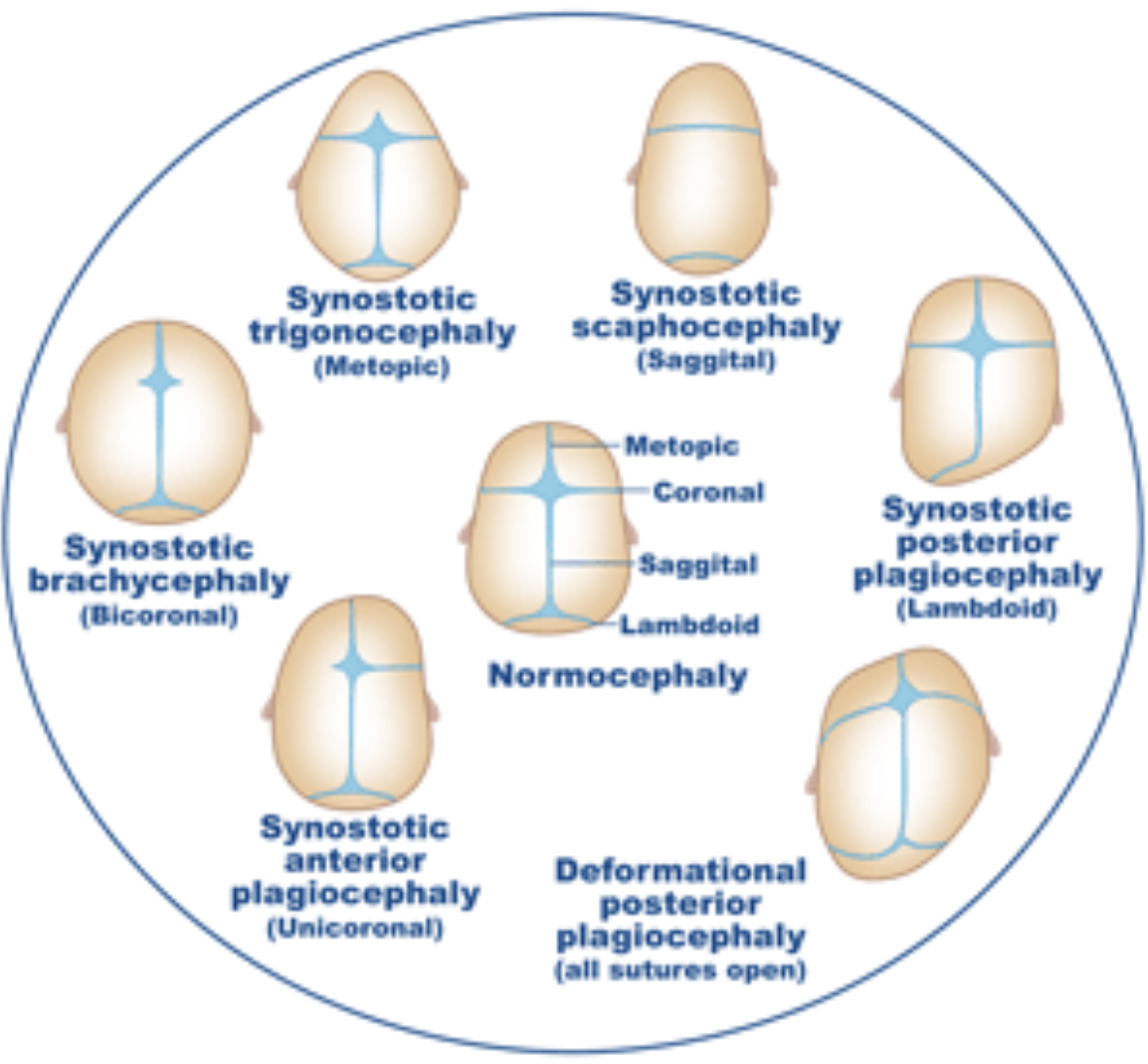
In rare cases, head shape differences may be related to craniosynostosis, a condition where one or more of the skull sutures fuse too early, potentially affecting normal skull growth and requiring medical
PLAGIOCEPHALY
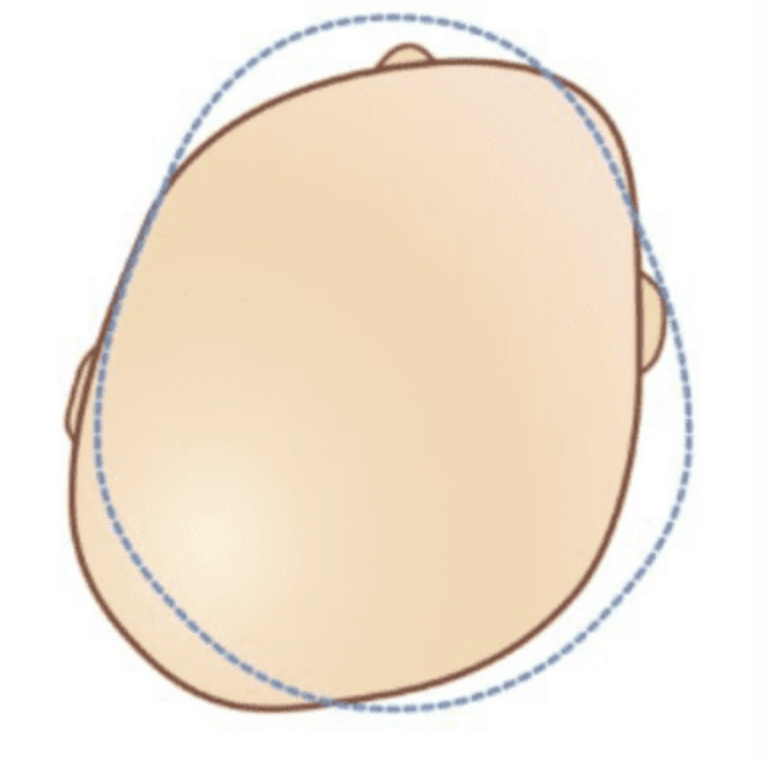
One sided flattening
Usually accompanied by Torticollis or side lying preference
Possible ear shift
Increased Cranial Vault Asymmetry (CVA) 6.0mm or above
Goal- Prevent long diagonal growth and reduce CVA to 6.0mm or less
BRACHYCEPHALY
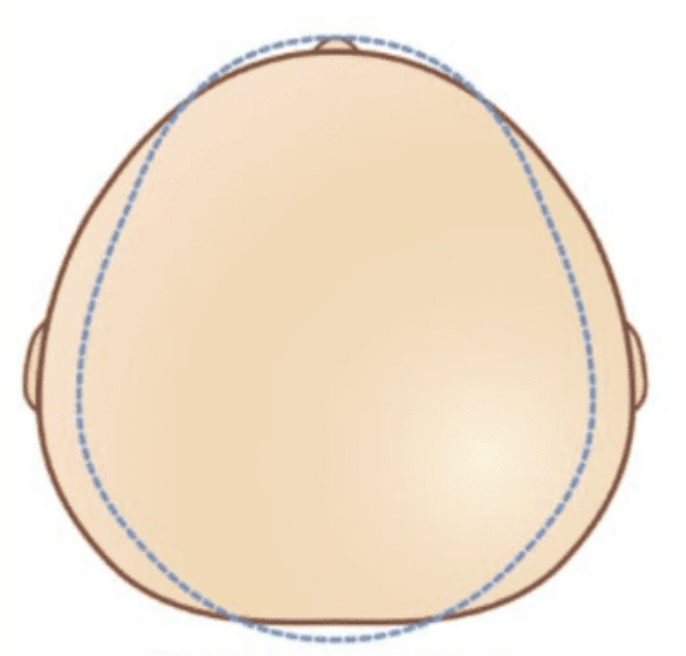
Central flattening
Bilateral bossing leading to a widened head
Bilateral Frontal flattening
Increase Cephalic Ratio (CR) .90 to greater (Length to Width ratio)
Goal- Reduce CR to .90 or below
DOLICHOCEPHALY
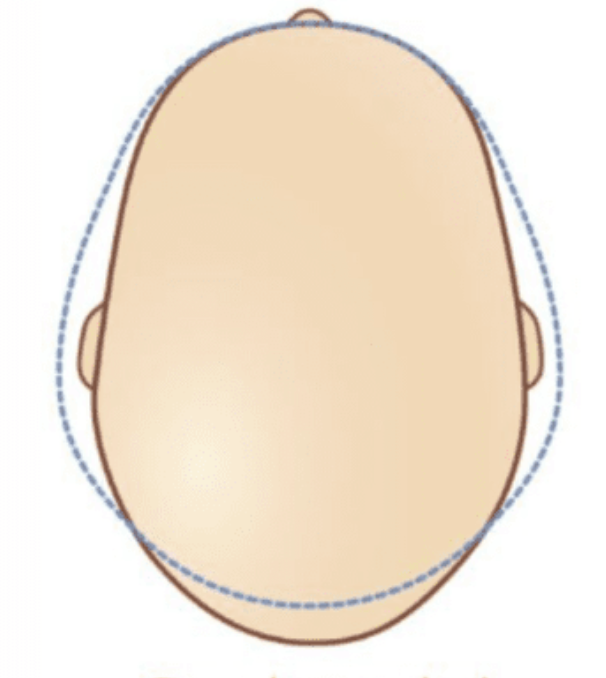
Often Called Scaphocephaly
Elongated head shape with bilateral flattening
Decreased Cephalic Ratio (CR) .76 or less (Length to Width ratio)
Goal- Increase CR to .76 or above
CRANIOSYNOSTOSIS
Craniosynostosis is the premature closure of the cranial sutures, preventing normal head growth and potentially restricting brain development. This condition typically requires surgery to correct skull shape and allow for proper growth. Depending on the type of procedure, patients are often placed in a helmet for up to a year after surgery to help guide healing. These children may require a second or third helmet over time, and 3D-printed helmets are not recommended for post-surgical cases.